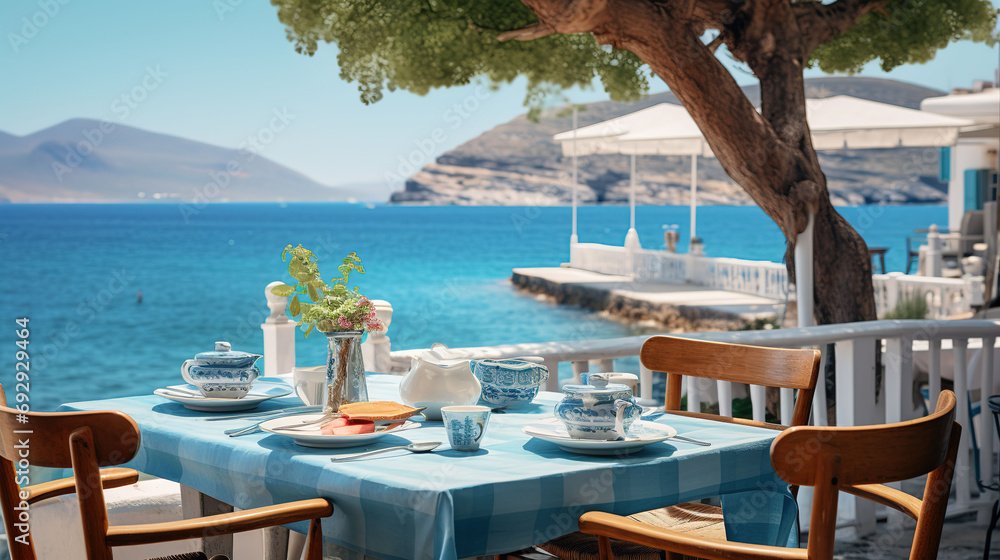
Forget the tourist traps and overpriced eateries; if you want to truly understand Greek culture, you need to pull up a chair at a traditional Greek taverna. Much like the French have their bistros, Italians their trattorias, or the British their pubs, Greeks gather with loved ones at a local taverna – a cornerstone of community, cuisine, and conviviality found in every city, village, and island across Greece. These aren't just places to eat; they're vibrant hubs where the rhythm of everyday life plays out over shared plates and lively conversation.
This isn't about simply finding a restaurant; it's about discovering a way of life, a philosophy of food that prioritizes freshness, family, and flavor above all else. Prepare to delve into the heart of Greek hospitality, where "authentic eats" are not just a marketing slogan but a deeply ingrained tradition.
At a Glance: What Makes a Taverna Special
- Authentic Greek Dining: A small, traditional Greek restaurant, distinct from a general "tavern."
- Rustic Charm: Simple décor, often with checkered tablecloths, wooden tables, and a relaxed, unpretentious atmosphere.
- Family-Run: Typically owned and operated by local families, ensuring personal touches and time-honored recipes.
- Seasonal & Fresh: Menus are often limited, focusing on what's fresh and available that day, prepared by the chef.
- Affordable & Welcoming: Reasonably priced, making it accessible for locals and visitors alike.
- Cultural Hub: A place to mingle with Greeks, enjoy a leisurely meal, and experience genuine local life.
- Specialty Tavernas: Look for
Psarotavernas(fish tavernas by the sea) orHasapotavernas(butcher’s tavernas for meat lovers).
What Exactly Is a Taverna? More Than Just a Restaurant
To understand the Greek taverna, you first need to shed any preconceived notions of a formal dining experience. This isn't fine dining with white gloves and hushed tones. A taverna is the antithesis of sterile perfection; it's a place brimming with character, warmth, and a palpable sense of history. As insightsgreece.com aptly puts it, a taverna is "the traditional public eating house of Greek cuisine and is known to be an integral part of Greek culture."
Unlike a generic "tavern," which might simply be a drinking establishment or a more modern restaurant, a taverna is specifically a small, authentic Greek restaurant. Its defining characteristics include a rustic décor, a relaxed and often boisterous atmosphere, and a menu that’s surprisingly limited yet immensely satisfying because it champions what's truly fresh and seasonal. Think checkered tablecloths, sturdy wooden chairs, and perhaps a few framed pictures of the family or old Greece adorning the walls. The absence of pretension is its greatest asset, inviting you to relax, linger, and enjoy good food without fuss. If you're looking for where the locals truly dine, places like the Best traditional Athens tavernas perfectly embody this spirit.
These establishments are almost universally family-owned and run, creating an immediate sense of belonging. The recipes have often been handed down through generations, making each dish a bite of edible history. It’s this combination of simple styling, heartfelt cooking, and genuine hospitality that transforms a meal into an experience, an authentic glimpse into the Greek way of life.
The Soul of Greek Dining: Atmosphere & Experience
Walking into a taverna is like stepping into a warm embrace. The air often hums with conversation, the clinking of glasses, and perhaps the faint scent of garlic, olive oil, and herbs. The atmosphere is unpretentious and incredibly relaxed. You won't find hurried service here; dining at a taverna is meant to be a leisurely affair, stretching out over hours with multiple courses and plenty of conversation.
It's a place where families gather for Sunday lunch, friends meet for an evening feast, and neighbors catch up on the day's news. Children are always welcome, often seen darting between tables or sharing a bite with grandparents. This communal aspect is vital; food is meant to be shared, and life celebrated around a table laden with dishes. It's not uncommon for the owner or a family member to greet you, perhaps even pull up a chair to tell you about the day's specials personally. This isn't just a transaction; it's an invitation to be part of their world, even if just for an evening.
A Taste of Greece: What to Expect on Your Taverna Plate
The beauty of a taverna menu lies in its simplicity and seasonality. While you might find a core list of staples, the true stars are often the daily specials – dishes cooked fresh that day, reflecting the best ingredients available. Don't be shy to ask what the chef recommends or what's "of the day." This is where the magic happens.
The Daily Specials & Seasonal Delights
Many tavernas operate on a "what we cooked today" philosophy. You might not see a huge, laminated menu with dozens of options. Instead, expect a shorter, perhaps handwritten list, or even better, an invitation to the kitchen to see what's bubbling in the pots. This guarantees freshness and often introduces you to dishes you might not have known to order. Seasonal vegetables, freshly caught fish, or slow-cooked meats are the focus, ensuring every bite is at its peak. This commitment to fresh, local ingredients is a hallmark of authentic Greek cooking.
Classic Comforts You Must Try
While the daily specials are exciting, certain dishes are synonymous with the taverna experience and deserve your attention. These are the hearty, comforting staples that Greeks have loved for generations.
- Moussaka: A rich, layered casserole featuring spiced minced meat (often lamb or beef), eggplant slices, and a creamy béchamel topping. It’s a quintessential Greek comfort food. To truly savor this classic, make sure to seek out places known for their authentic renditions, perhaps even guided by where to eat moussaka in Athens.
- Pastitsio: Another beloved baked pasta dish, similar to moussaka but typically made with tubular pasta, minced meat, and a generous layer of béchamel. It’s hearty and incredibly satisfying.
- Dolmades: Grape leaves stuffed with a savory mixture of rice and herbs, sometimes with minced meat. Served hot with avgolemono (egg-lemon) sauce or cold with a squeeze of lemon, they are a delightful mezze.
- Gemista: Meaning "stuffed," these are typically tomatoes, bell peppers, or sometimes zucchini, hollowed out and filled with herbed rice, often with a touch of ground meat, then baked until tender. A fantastic vegetarian option.
From the Grill & the Sea
Greek tavernas excel at grilling. Whether you're a meat lover or prefer seafood, you'll find plenty to tempt your palate.
- Grilled Meats: Souvlaki (skewered and grilled meat), lamb chops (
paidakia), pork steaks (brizoles), and various sausages (loukaniko) are common and always a hit. They’re often simply seasoned, letting the quality of the meat shine through. - Fresh Fish & Seafood: If you’re near the coast, you're in for a treat.
Psarotavernas(fish tavernas) specialize in the day's catch, often displayed on ice for you to choose from. Expect simply grilled fish, calamari, octopus, shrimp, and sometimes even fresh oysters or mussels. The preparation is usually minimalist – a drizzle of olive oil, lemon, and a sprinkle of herbs – to highlight the natural flavors.
Mezes, Dips & Salads: The Art of Sharing
A Greek meal is rarely just one dish per person. It's a shared experience, starting with a variety of mezedes (small plates or appetizers) and dips.
- Tzatziki: The ubiquitous dip of thick Greek yogurt, cucumber, garlic, and dill. Perfect with bread or grilled meats.
- Melitzanosalata: Smoky eggplant dip, often blended with garlic, olive oil, and herbs.
- Tirokafteri: A spicy feta cheese dip, creamy and tangy with a kick.
- Horiatiki Salata (Greek Salad): The classic, vibrant salad with ripe tomatoes, cucumbers, red onion, green peppers, Kalamata olives, and a generous slab of feta cheese, all drizzled with exquisite Greek olive oil and a dash of oregano. No lettuce here!
- Spanakopita/Tiropita: Flaky phyllo pastry pies filled with spinach and feta (spanakopita) or just cheese (tiropita).
- Gigantes Plaki: Giant baked beans in a rich tomato sauce, often served cold or at room temperature.
Vegetarian & Vegan Bounty
Vegetarians and vegans will find a surprisingly rich array of options beyond just salads, thanks to the country's reliance on fresh produce and pulses.
- Xorta: Steamed wild greens, often foraged locally, served simply with olive oil and lemon. A true taste of the Greek countryside.
- Padzaria: Boiled beetroots, often served cold with garlic and vinegar.
- Kolokithia Tiganita: Fried zucchini slices or balls, crispy and delicious.
- Fava: A creamy split pea puree, often served with chopped onions and olive oil.
- Many of the mezedes mentioned above are also vegetarian or vegan-friendly, making it easy to create a varied and satisfying meal.
Sweet Endings
Desserts in tavernas are often simple, homemade, and delightful. You might be offered a complimentary small sweet with your bill.
- Galaktoboureko: A semolina custard baked in phyllo pastry, often drenched in syrup.
- Loukoumades: Golden fried dough balls, typically drizzled with honey and sprinkled with cinnamon.
- Yiaourti me Meli: Thick Greek yogurt with honey and walnuts – a simple yet perfect end to a meal.
mygreekdish.com offers "dozens of delicious recipe ideas that I’ve meticulously gathered from all over Greece," showcasing the incredible variety of dishes you might encounter, from mezes to slow-cooked mains and regional specialties.
Regional Flavors: The Taverna as a Culinary Map
One of the most exciting aspects of exploring Greek tavernas is discovering the regional variations in cuisine. Each island, each mountain village, each coastal town has its own signature dishes and local ingredients that reflect its unique history and geography. A taverna isn't just a generic restaurant; it's a culinary embassy for its particular region.
- Island Specialties: Head to the Cyclades, and you might find
fava(split pea puree) from Santorini,louza(cured pork) from Mykonos, ormastelocheese from Sifnos. On Crete, expect hearty dishes likeantikristolamb (slow-roasted over an open fire),dakos(barley rusks with tomato and feta), and a plethora of local greens. - Coastal Gems (Psarotavernas): As insightsgreece.com notes, "many tavernas located by the sea specialise in seafood and are called Psarotavernas, or Fish Tavernas." These are where you'll find the freshest catches prepared simply but exquisitely. Imagine grilled sardines, perfectly fried calamari, or a rich seafood
kritaroto(orzo-like pasta). The focus is entirely on the bounty of the Aegean or Ionian seas. - Mainland Delights (Hasapotavernas): On the mainland, especially in mountainous or agricultural regions, meat takes center stage. Here, you'll encounter
Hasapotavernas– literally "butcher’s tavernas" – which specialize in meat-only dishes. These are the places for expertly grilled lamb chops, slow-roasted pork, wild boar stew, or robust game dishes, often sourced directly from local farmers or hunters. - Northern Greece: In regions like Macedonia and Thrace, influences from the Balkans and Turkey subtly appear in the cuisine, with more elaborate meat stews, spicier flavors, and rich pastries.
Remember, the local taverna is always "the best place to taste local dishes and delicacies from each region." Don't hesitate to ask your server for the regional specialty – it’s often a point of local pride.
Navigating the Menu & Ordering Like a Local
Approaching a taverna menu can sometimes feel daunting, especially if it’s handwritten or entirely in Greek. But with a few pointers, you’ll be ordering like a seasoned local in no time.
- Look for the
Magirefta(Cooked Dishes): These are the daily specials, the slow-cooked stews, casseroles, and oven-baked delights that are prepared fresh each morning. Don’t just scan the printed menu; ask "Ti echete gia simera?" (What do you have for today?). Often, you'll be invited to the kitchen to see the pots simmering on the stove, allowing you to visually choose your meal. This is the ultimate sign of authenticity. - Embrace Mezes: Instead of ordering a single main course, consider ordering several
mezedesto share. This allows you to sample a wider variety of flavors and encourages the communal dining experience. A selection of dips, a salad, some fried zucchini, and a small plate of meat or fish makes for a fantastic and authentic meal. - Trust the Recommendations: Taverna owners and staff are usually passionate about their food. If they recommend a particular dish, especially a seasonal one, take their advice. They know what’s best that day. For example, if you're looking for Athens local food recommendations, asking the taverna owner is often the best strategy.
- Order Drinks Like a Greek: Don't automatically reach for a soft drink. Ask for
krasí vari(house wine) – often a surprisingly good and inexpensive local wine, served by the carafe.Retsina, a unique retsinated white wine, is another traditional choice. And of course, a bottle of local water is always on the table. - Patience is a Virtue: Meals in Greece are not rushed. Service can be slower than what you might be used to, but this is part of the charm. It’s an invitation to relax, enjoy the company, and savor each moment. Don't expect your main course to arrive immediately after your starter; dishes often come out as they are ready.
Beyond the Plate: The Taverna as a Cultural Hub
The taverna's role extends far beyond merely feeding hungry patrons. It is, at its heart, a vital social institution, a place where the threads of Greek community are woven and strengthened.
It's where generations connect, from papou (grandpa) sharing stories with engoni (grandchildren) over psari (fish), to young couples on a date, to groups of friends celebrating a birthday. The slow pace of dining encourages deep conversation and connection, away from the distractions of modern life. You'll often see groups laughing loudly, debating passionately, or simply enjoying each other's company in comfortable silence.
This is where you truly "get to meet and mingle with the locals," as insightsgreece.com highlights. You might overhear lively political discussions, local gossip, or simply the easy banter of neighbors. The music, often traditional bouzouki or folk tunes, adds to the evocative atmosphere, sometimes even leading to spontaneous dancing. It's a sensory immersion into the very soul of Greece, a place where time slows down, and the simple pleasures of good food, good company, and good wine are celebrated with unbridled joy.
Choosing Your Authentic Taverna: Signs of a True Gem
With so many eateries claiming to be "traditional," how do you spot an authentic taverna from a tourist trap? Here are a few tell-tale signs:
- Locals First: The most reliable indicator. If a taverna is packed with Greek families and friends, especially outside peak tourist season, you're likely onto a winner. Locals know where the good food and value are.
- Simple, Unpretentious Decor: Avoid places with overly flashy signs, multiple language menus prominently displayed, or a "themed" look. True tavernas are often simple, perhaps a little worn, with functional rather than decorative tables and chairs. Checkered tablecloths are a classic sign.
- Limited, Changing Menu: A very long menu with laminated photos is often a red flag. A small, focused menu, or better yet, a handwritten daily specials board, suggests fresh, seasonal cooking.
- Open Kitchen or Visible Cooking: Some tavernas, especially
psarotavernas, might display their fresh fish or even have a visible grill. This transparency is a good sign of confidence in their ingredients and preparation. - Family Presence: The owner or a family member is often visible, interacting with guests, taking orders, or overseeing the kitchen. This personal touch is a hallmark of traditional Greek hospitality.
- Ask for Recommendations: Don't be afraid to ask a local shopkeeper, a hotel staff member, or even other diners for their favorite taverna. Word-of-mouth is powerful in Greece.
- No Aggressive Touting: Authentic tavernas don't need to shout to get customers. They rely on their reputation and consistent quality.
Common Taverna Questions & Etiquette
Navigating a new culinary culture can bring up a few questions. Here’s a quick guide to common queries and Greek dining etiquette:
- Do I need a reservation? For smaller, popular tavernas, especially on weekend evenings or during peak season, it’s advisable to call ahead. Many smaller, local spots might not even take reservations, so it’s best to arrive a bit earlier.
- Is tipping customary? Tipping is appreciated but not mandatory or expected to the same extent as in North America. A gratuity of 5-10% for good service is generous, or simply rounding up the bill. For truly exceptional service, you might leave a bit more.
- How do I handle dietary restrictions? Greeks are generally accommodating. It's best to have a few key phrases handy:
- "Eímai chortofágos" (I am vegetarian)
- "Eímai vegan" (I am vegan)
- "Écho allergía se..." (I have an allergy to...) – followed by "gluténi" (gluten), "laktozi" (lactose), "xykarpa" (nuts), etc.
- Ask if a dish contains
kréas(meat),psári(fish),gála(milk), oravgá(eggs). - Given the prevalence of fresh vegetables and pulses, finding suitable options is usually quite easy.
- What about wine and drinks? As mentioned,
krasí vari(house wine) is a staple. Often, it's served in small copper or glass carafes. Beer (býra) is also popular, with local brands like Mythos or Alpha widely available.Ouzoortsipouro(grappa-like spirits) are often enjoyed as aperitifs or digestifs. - How is the bill handled? Typically, you’ll ask for the bill by saying "Logariasmó, parakaló" (The bill, please). It might take a little while to arrive, again, part of the relaxed pace. Often, a small sweet or fruit is offered with the bill as a gesture of hospitality.
- Is it okay to share food? Absolutely! Sharing dishes is central to Greek dining culture. Ordering a variety of mezedes and main courses to share family-style is encouraged.
Embracing the Greek Table: Your Culinary Adventure Awaits
Stepping into a traditional Greek taverna is more than just going out for a meal; it's an immersion into the very soul of Greece. It's an invitation to slow down, savor fresh, honest food, and connect with people – both those you came with and the vibrant community around you.
From the rustic charm of the décor to the welcoming smiles of the family running the place, every element works in harmony to create an unforgettable experience. Whether you're digging into a hearty moussaka, sharing a plate of grilled octopus by the sea, or simply enjoying xorta and house wine, you're participating in a tradition that defines Greek hospitality and culinary identity. So, next time you're in Greece, bypass the obvious and seek out that unassuming spot with the checkered tablecloths and the tantalizing aromas. Your most authentic and delicious memories are waiting there. Go forth and feast!