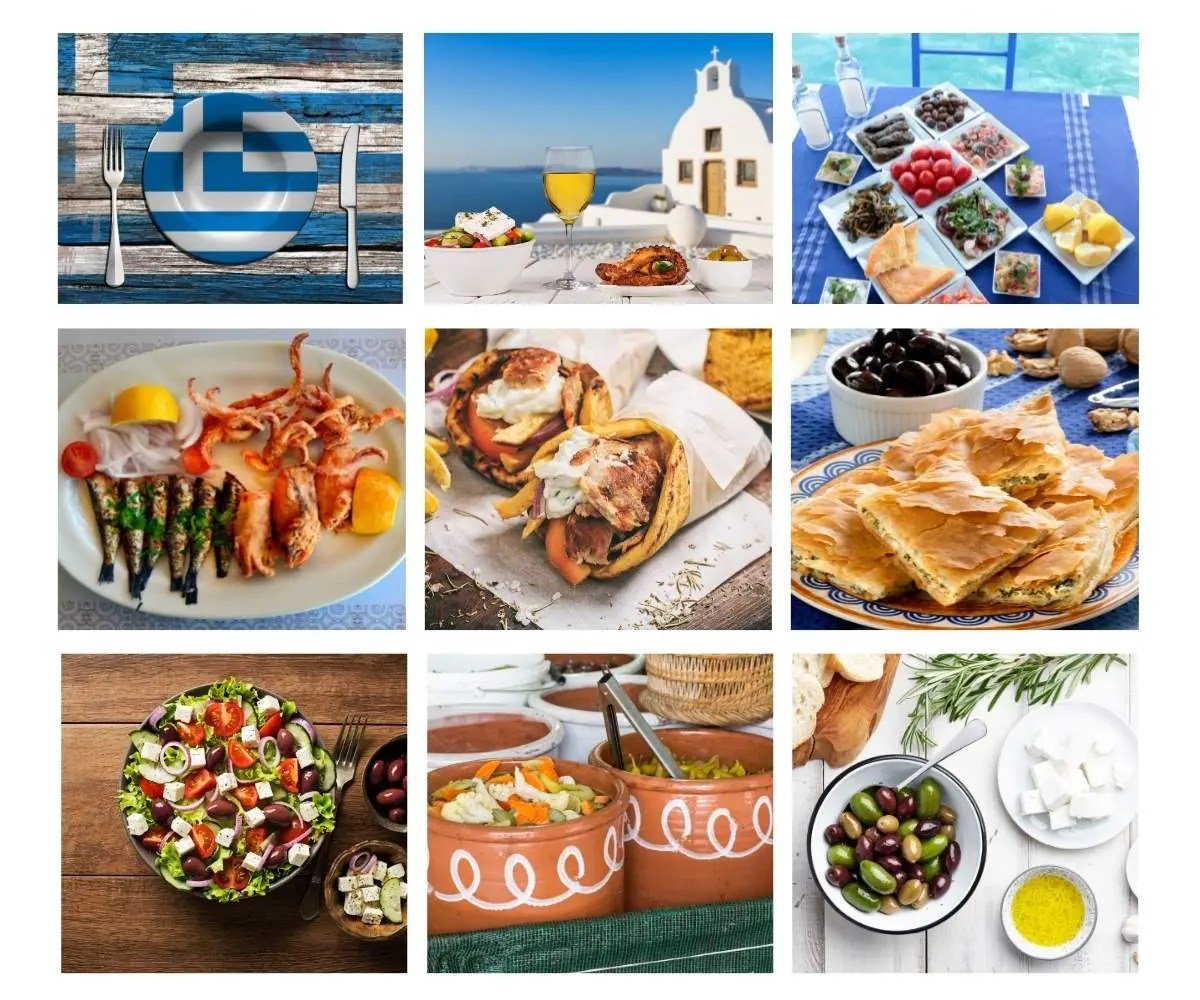
Forget the ubiquitous images of gyros stands and bustling tavernas; the world of Greek cuisine has evolved dramatically. Today, Fine Dining & Modern Greek Cuisine offers a sophisticated, nuanced exploration of ancient flavors and culinary traditions, reimagined through contemporary techniques and artistic presentation. It’s an exciting era where Greece’s rich gastronomic heritage is finally receiving the global recognition it deserves, far beyond the clichés, presenting a refined experience for truly discerning palates.
At a Glance: Your Guide to Modern Greek Gastronomy
- The Evolution: Greek cuisine has moved beyond traditional taverna fare to embrace sophisticated techniques and artistic presentation.
- Defining Modern Greek Fine Dining: It's characterized by premium local ingredients, innovative techniques, refined plating, and elegant service.
- Core Flavors Remain: Expect familiar Mediterranean tastes – olive oil, herbs, seafood – elevated and often surprising.
- Beyond the Plate: The experience extends to thoughtfully curated wine lists, impeccable service (filoxenia), and stunning ambiances.
- Where to Find It: Athens is a prime hub, but modern Greek fine dining is emerging globally.
- Demystifying Misconceptions: It's still authentically Greek, deeply rooted in tradition, but presented in a new light.
Beyond the Taverna: The Genesis of Modern Greek Cuisine
For centuries, Greek food was largely celebrated for its rustic charm, generous portions, and comforting familiarity. Think hearty moussaka, crispy spanakopita, and the ubiquitous souvlaki that defines so much of the casual dining scene, much like the authentic street food experiences offered by places like Nick The Greek. While these classics remain beloved staples, a quiet revolution has been brewing in Greek kitchens, spearheaded by a new generation of visionary chefs.
This shift isn't about abandoning tradition; it's about honoring it by looking closer, sourcing better, and innovating bolder. Modern Greek cuisine delves into the forgotten recipes of regions, explores rare indigenous ingredients, and applies global culinary trends to familiar flavors. It’s a profound respect for the past, combined with an audacious leap into the future, transforming simple ingredients into complex, multi-layered dishes that tell a story.
What Defines Fine Dining in a Greek Context?
True fine dining, regardless of cultural origin, elevates the act of eating into an art form. In the Greek context, this means a meticulous approach to every element, from the first ingredient sourced to the final flourish on the plate.
The Sacredness of Ingredients: Local, Seasonal, Premium
At the heart of modern Greek fine dining is an almost reverent respect for ingredients. Chefs meticulously seek out:
- Regional Specialties: Think mastiha from Chios, saffron from Kozani, fava from Santorini, or sun-dried tomatoes from the Aegean islands. These aren't just components; they are narratives.
- Hyper-Local Sourcing: Many establishments partner directly with small farmers, fishermen, and artisanal producers, ensuring peak freshness and supporting local economies. This means seasonal menus that shift with the harvest and catch of the day.
- Uncompromising Quality: Extra virgin olive oil isn't just a dressing; it's often a specific single-estate oil with nuanced flavors. Herbs are freshly picked, cheeses are aged perfectly, and seafood is pristine. This focus on provenance and quality forms the bedrock of exceptional taste.
Technique and Innovation: Ancient Methods Meet Modern Artistry
Modern Greek chefs are culinary archaeologists and avant-garde artists rolled into one. They marry:
- Traditional Wisdom: Rediscovering ancient cooking methods like slow braising in clay pots, curing fish, or utilizing unique fermentation techniques passed down through generations.
- Contemporary Culinary Science: Employing precision cooking, spherification, foams, and deconstruction to present familiar flavors in unexpected textures and forms. A traditional dish like pastitsio might be deconstructed into its essential components, each prepared with meticulous care and reassembled with architectural precision.
- Balancing Act: The goal is never innovation for innovation's sake. It's about enhancing, refining, and revealing new dimensions within the Greek flavor profile, without losing its soulful essence.
Presentation: Edible Art on a Plate
Gone are the days of overflowing platters. Fine Greek dining embraces the philosophy that we eat with our eyes first. Each dish is a carefully composed tableau:
- Visual Harmony: Colors, shapes, and textures are thoughtfully arranged to create an aesthetic experience. A simple grilled octopus might be accompanied by a vibrant fava purée, delicate herbs, and a scattering of crunchy capers, each element placed with purpose.
- Intentionality: Every drizzle of olive oil, every sprinkle of sea salt, every microgreen is deliberate, contributing to both the visual appeal and the overall flavor profile.
- Storytelling: The presentation often subtly hints at the dish's origins or the ingredients used, inviting the diner to explore its narrative.
Service and Ambiance: Elegance & Elevated Filoxenia
Beyond the food, the dining environment plays a crucial role in creating a fine dining experience:
- Refined Hospitality (Filoxenia): Greek hospitality, famed for its warmth, is elevated to a sophisticated art form. Service is attentive, knowledgeable, and discreet – anticipating needs without being intrusive. Sommeliers guide you through Greece's burgeoning wine scene, while staff explain the nuances of each dish.
- Designed Spaces: Restaurants are often architectural marvels, blending traditional Greek elements with minimalist chic or contemporary design. Think ancient stone walls juxtaposed with sleek modern furniture, or breathtaking views of the Aegean Sea or the Acropolis.
- Atmosphere: Lighting, music, and table settings are all curated to create an ambiance that is at once luxurious and welcoming, allowing the food to take center stage while ensuring comfort and intimacy.
The Pillars of Modern Greek Flavors: A Culinary Lexicon
Modern Greek cuisine doesn't just restyle dishes; it reinterprets the very essence of Greek taste. It's about finding new expressions for timeless flavors.
Reinventing Classics: Familiar, Yet Astonishing
Many iconic Greek dishes find new life on fine dining menus. It's not about making them unrecognizable, but about presenting them in their most exquisite form:
- Moussaka: Instead of a rustic layered casserole, you might encounter a deconstructed version with individually slow-cooked eggplant slices, perfectly spiced lamb ragu, and a delicate béchamel foam.
- Spanakopita: Imagine delicate, paper-thin phyllo parcels filled with wild greens and artisanal feta, served with a vibrant herb oil or a refreshing yogurt foam.
- Greek Salad (Horiatiki): Transformed from a simple side to a carefully composed art piece featuring heirloom tomatoes, exquisite single-estate olive oil pearls, deconstructed feta textures, and micro-herbs.
The Mediterranean Bounty: Celebrating Nature's Gifts
The foundation remains the rich larder of the Mediterranean:
- Liquid Gold (Olive Oil): Not just a cooking fat, but a star ingredient, with different varieties chosen for their specific aromatic profiles – peppery, fruity, grassy.
- Wild Herbs and Greens: From oregano and thyme to kritamo (rock samphire) and horta (wild greens), these indigenous plants provide layers of freshness and complexity.
- Pristine Seafood: The Aegean and Ionian seas offer an abundance of fresh fish and seafood. Expect delicately grilled whole fish, expertly prepared octopus, and innovative takes on calamari or shrimp, often paired with light sauces or aromatic herbs.
- Vibrant Vegetables: Tomatoes, eggplants, zucchini, peppers, and legumes are celebrated in their peak season, often roasted, puréed, or pickled to bring out their inherent sweetness and earthiness.
For those eager to explore the pinnacle of this culinary evolution, Athens stands out as a vibrant hub. You'll find a remarkable concentration of establishments pushing boundaries and redefining how the world perceives Greek food. To discover some of the cutting-edge spots, explore guides to Modern Greek dining in Athens.
Global Influences: Fusion Without Losing Identity
While firmly rooted in Greek tradition, modern Greek chefs are also global citizens. They draw inspiration from:
- Asia: Incorporating fermentation, umami-rich broths, or delicate steaming techniques.
- France: Mastering classical sauces, precision butchery, or refined pastry arts.
- Spain: Experimenting with molecular gastronomy or avant-garde presentations.
The key is that these influences never overshadow the Greek identity of the dish. They act as enhancers, adding new dimensions and textures while the soul of the dish remains distinctly Hellenic.
Crafting an Unforgettable Fine Greek Dining Experience
Planning to immerse yourself in modern Greek gastronomy? Here’s how to ensure an unparalleled experience.
Choosing the Right Venue: More Than Just a Meal
Selecting a fine dining establishment requires a discerning eye. Look for:
- A Chef's Vision: Does the restaurant have a clear culinary philosophy? Is there a chef whose innovative approach or deep respect for tradition shines through? Many top restaurants are helmed by chefs who have trained internationally and returned to Greece with a fresh perspective.
- Sourcing Transparency: While not always explicitly stated on the menu, a truly fine establishment will pride itself on its sourcing. You might see mentions of specific islands for cheeses, or particular fishing boats for seafood.
- Wine List Excellence: A comprehensive wine list featuring top Greek wines (Assyrtiko, Agiorgitiko, Xinomavro) alongside international selections is a hallmark. A knowledgeable sommelier is crucial for guiding your choices.
- Reputation and Reviews: While personal taste varies, consistent positive reviews, especially from respected food critics or international publications, are a good indicator of quality. Look out for those recognized by global culinary guides. If you're looking for the very best, consider exploring the Best Michelin restaurants in Athens.
Decoding the Menu: Navigating Modern Interpretations
Modern Greek menus can be playful and descriptive, often using creative names or brief poetic descriptions.
- Don't Be Afraid to Ask: If a dish name or ingredient is unfamiliar, ask your server. They are trained to explain the concept, ingredients, and preparation methods.
- Embrace the "Taste of": Many fine dining restaurants offer tasting menus. This is often the best way to experience the chef's full range and vision, providing a curated journey through their culinary philosophy.
- Focus on Core Ingredients: Even with innovative preparations, the core Greek ingredients (lamb, feta, octopus, lentils, olives, lemons) will often be the star. Look for how these are elevated.
Wine Pairings: A Journey Through Greek Vineyards
Greece boasts a rich viticultural heritage, with indigenous grape varieties producing exceptional wines perfectly suited for fine dining:
- Assyrtiko: From Santorini, this crisp, mineral-driven white wine pairs beautifully with seafood and light appetizers.
- Malagousia: An aromatic white grape offering floral and fruity notes, great with poultry or creamy dishes.
- Agiorgitiko: A versatile red grape from Nemea, producing smooth, fruity wines that can accompany everything from roasted meats to rich pasta.
- Xinomavro: Often compared to Nebbiolo, this robust red from Naoussa is perfect for game meats, lamb, and aged cheeses.
Don't shy away from asking your sommelier for recommendations. They can suggest pairings that enhance both the food and the wine, sometimes surprising you with a lesser-known Greek gem.
The Art of Greek Hospitality (Filoxenia): Elevated Service
Filoxenia, the ancient Greek concept of hospitality, is ingrained in the culture. In fine dining, it's refined to an exquisite level:
- Warmth and Discretion: You'll experience genuine warmth, but with a refined discretion that ensures privacy and comfort.
- Knowledgeable Staff: From the maître d' to the server, expect staff who are deeply knowledgeable about the menu, wine list, and the philosophy of the restaurant. They are there to enhance your experience, not just deliver food.
- Attention to Detail: Small touches, like remembering your preferences or offering a personalized recommendation, are hallmarks of exceptional Greek fine dining service.
Spotlight on Innovation: Chefs Leading the Charge
The renaissance in Greek cuisine is driven by a cadre of talented chefs who are both scholars of tradition and fearless innovators. These culinary artists often share common traits:
- Deep Regional Knowledge: Many chefs return to their roots, exploring the unique ingredients and cooking styles of their ancestral villages or islands. They might spend months researching ancient recipes or foraging for wild herbs.
- Global Exposure: Having trained and worked in top kitchens worldwide, they bring back international techniques and perspectives, which they then filter through a distinctly Greek lens.
- Sustainable Practices: There's a growing commitment to sustainability, supporting local producers, minimizing waste, and showcasing the bounty of the Greek land and sea responsibly.
- Narrative Through Food: Each dish is often designed to tell a story – about a region, an ingredient, or a memory. This narrative depth adds another layer to the dining experience, making it more personal and meaningful.
These chefs are not just cooking; they are cultural ambassadors, reshaping the global perception of Greek food, proving that it can be as sophisticated and avant-garde as any other world cuisine, while still holding onto its soulful authenticity.
Common Misconceptions & Clarifications About Modern Greek Fine Dining
It’s easy to have preconceived notions, but modern Greek fine dining often challenges them.
"Is fine dining just small portions and fancy plating?"
While presentation is key and portions are more refined than a traditional taverna, fine dining is ultimately about quality, intensity of flavor, and a balanced progression of dishes. You won't leave feeling hungry, but rather satisfied by the depth and complexity of the culinary journey. It’s an experience designed for enjoyment, not just sustenance.
"Is it still 'Greek' if it's modern and experimental?"
Absolutely. The essence of Greek cuisine lies in its core ingredients, its philosophy of sharing, and its emphasis on fresh, wholesome flavors. Modern Greek chefs are deeply respectful of this heritage. They aren't abandoning Greekness; they are exploring its full potential, revealing new facets of its identity. Think of it as a respectful evolution, not a betrayal. The soul remains, the presentation transforms.
"Is it always prohibitively expensive?"
Fine dining is an investment in an experience, and pricing reflects the quality of ingredients, the skill of the chefs, and the level of service. While it is more expensive than casual dining, many establishments offer different price points, including set lunch menus or à la carte options that allow you to tailor your experience. The value lies in the artistry, the unique flavors, and the impeccable service you receive.
Planning Your Culinary Journey: Where to Experience the Best
Greece itself is, of course, the ultimate destination for experiencing this culinary renaissance firsthand.
Athens: The Epicenter of Innovation
The capital city has become a veritable playground for modern Greek chefs. From rooftop restaurants offering luxury dining with Acropolis views to hidden gems in charming neighborhoods, Athens offers a diverse array of fine dining experiences. Here, you can find a concentration of Michelin-starred establishments and innovative eateries pushing the boundaries. The competition fuels creativity, making Athens a must-visit for any serious food lover.
The Islands: Local Flavors Elevated
Beyond Athens, many islands are home to exceptional modern Greek restaurants, often integrating hyper-local ingredients specific to their unique terroir. Santorini, Mykonos, Crete, and Corfu, among others, boast establishments that take local seafood, produce, and traditional recipes and transform them into unforgettable fine dining experiences, often with breathtaking coastal backdrops.
Beyond Greece: A Global Movement
Modern Greek cuisine is also gaining traction internationally. Major cities like London, New York, and Melbourne are seeing a rise in high-end Greek restaurants, often spearheaded by diaspora chefs who bring their heritage and global training to the forefront. These international outposts offer a taste of this culinary evolution without having to cross oceans.
From Plate to Palate: Bringing Modern Greek Fine Dining Home (or to your Local Search)
Even if a trip to Greece isn't on the immediate horizon, you can still appreciate and seek out the principles of modern Greek fine dining.
- Seek Out Quality Ingredients: Look for artisanal Greek olive oil, specific regional cheeses, fresh herbs, and high-quality seafood at specialty stores or farmers' markets.
- Experiment with Presentation: When cooking at home, think about how you plate your food. Even simple dishes can look elegant with a little care and attention to detail.
- Explore Greek Wines: Visit a local wine shop and ask for recommendations on Greek wines. You might discover a new favorite varietal that pairs perfectly with your home-cooked meals.
- Support Local Innovators: If you have Greek restaurants in your area, look beyond the standard menu for chef specials or tasting menus that hint at a more modern approach. Support chefs who are pushing boundaries.
- Read & Learn: Follow food blogs, culinary magazines, and travel guides that focus on emerging gastronomic trends in Greece. The more you understand, the more you appreciate.
Your Next Culinary Adventure Awaits
The journey through Fine Dining & Modern Greek Cuisine is one of discovery, delight, and profound respect for a culture that has always understood the joy of food. It's an invitation to shed old preconceptions and embrace a sophisticated, vibrant, and utterly delicious evolution. Whether you find yourself overlooking the Acropolis or discovering a hidden gem in your own city, prepare to be captivated by a culinary narrative that is both ancient and thrillingly new. This isn't just a meal; it's an exploration of identity, tradition, and boundless creativity. Go forth and savor every moment.